House training a puppy, or your adopted dog, can sometimes be quite a challenge. For some, it seems to go so smoothly. But not so much for everyone. At Kasten’s Dog Training, we hear it often. “My other dog had no problem at all. We’ve had him for some time now. I forgot what it was like to train a puppy.” Or, “I let her out to go potty and she poops on the floor shortly after she comes inside!” The following tips may give you some insight on house training your dog.
1. Establish a Consistent Schedule
Consistency is the single most important factor in successful house training. Your dog thrives on routine, and a predictable schedule helps them understand when and where they are supposed to eliminate.
- Wake Up/Bedtime: Take your dog out immediately upon waking up and just before bedtime. To increase your dog’s overnight success, remove food and water 1 – 2 hours prior to their last potty break.
- After Meals/Water: Puppies (and some adult dogs) need to go shortly after eating or drinking, typically within 30 to 60 minutes.
- After Play/Crating: Always take your dog out after extended periods of play, training, or after they have woken up from a nap or been released from their crate.
2. Supervise Closely and Learn the Signals
Direct supervision prevents accidents and gives you the opportunity to reinforce good behavior. When you cannot actively supervise your dog, they should be in a safe, confined area like a crate or playpen. The most common mistake new puppy owners make is too much freedom too soon.
- Watch for signs: Learn your dog’s pre-potty signals. This might include circling, pacing, sniffing the floor, whining, or sudden restlessness. The moment you see these signs, calmly and immediately take them outside.
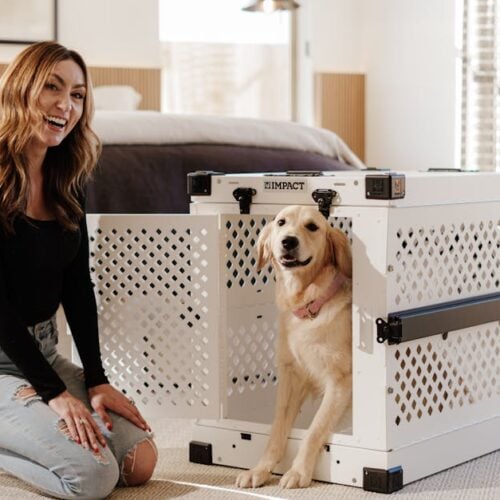
- Use a Crate (If Applicable): A dog’s natural instinct is to avoid soiling their sleeping area. Use a crate that is just large enough for them to stand up, turn around, and lie down comfortably. If the crate is too large, they may use one end as a bathroom.
3. Reward Success Immediately and Enthusiastically
Positive reinforcement is far more effective than punishment. When your dog has completed their elimination outside, reward them immediately—within seconds—so they associate the specific act (going potty outside) with the positive outcome (the treat and praise). Don’t praise with an excited voice in the middle of elimination as this can be disruptive to some dogs, depending on your intensity or excitement.
- Keep it Brief: The potty break itself should be business-focused. Save long walks and extensive playtime for after your puppy has eliminated.
- Never Punish Accidents: If you find an accident indoors, do not scold your dog. They cannot connect the punishment to the mess they made minutes or hours ago. Simply clean it thoroughly with an enzymatic cleaner to eliminate the odor, which can attract them back to the same spot.
4. Choose a Designated Potty Spot
Designating a specific area outside for elimination helps your dog quickly recognize where they are expected to go.
- Lead with Scent: If possible, take a piece of soiled material (like a paper towel) and place it in the designated outdoor area. The scent can encourage them to go there.
- Use a Cue Word: Use a consistent, simple command like “Go Potty,” or “Do Business” just as your dog is about to eliminate. When they are successful, pair the cue with the immediate reward, affirming words or touch. This will eventually allow you to prompt them to go on command.
5. Be Patient and Manage Expectations
House training takes time, patience, and consistency, especially with young puppies or newly adopted adult dogs.
- Setbacks Happen: Expect accidents. They are normal parts of the learning process. Revert to increased supervision and a stricter schedule if setbacks occur.
- Age and Breed Matters: Younger puppies have less bladder control and will need to go out much more frequently than adult dogs. Similarly, smaller breeds often have smaller bladders and may need more frequent trips outside.
- Consult a Vet: If an adult dog suddenly starts having accidents after being reliably house trained, consult your veterinarian. This can be a sign of a urinary tract infection or another underlying medical issue.
Key Considerations for Successful House Training
- Don’t give too much freedom too soon.
- Establish a schedule that works for both you and your puppy.
- Don’t punish your puppy for accidents. If you catch your puppy in the act, scoop him up and say, “No. No. No.” Take him outside and praise eliminating outdoors.
- Be Patient! Your hard work in the beginning will pay off.
Contact Us Today!
At Kasten’s Dog Training, we remain committed to helping you and your dog build a strong, positive relationship through practical training. Visit our website or contact us today to learn more about our services so we can assist you in reaching your training goals!