
When it comes to apartment living with a dog, the outcome depends far more on what you do consistently than on the square footage you have. Plenty of high-drive dogs live well in small spaces. Plenty of dogs in large homes are bored, frustrated, and developing problem behaviors. The difference is almost always about structure, exercise, and how the owner approaches the dog’s needs.
Understand What High Energy Actually Means
High energy does not simply mean a dog that moves fast or gets excited. It means a dog that has a higher-than-average need for both physical output and mental engagement. When those needs go unmet, they surface as destructive chewing, excessive barking, jumping, leash reactivity, and an inability to settle. These are not personality flaws. They are symptoms of a dog that has too much untapped energy with nowhere to put it.
Before you can manage apartment life effectively, you have to understand what your specific dog needs. Some breeds were built to work all day and will not reach a satisfied, calm state without significant structured activity. Others are high energy in bursts but can decompress quickly with the right outlets. Knowing your dog’s drives and how much genuine stimulation it takes to bring them to a calm baseline is the foundation on which everything else builds.
Physical Exercise Has to Be Intentional
A quick walk around the block is not enough for a high-energy dog. That applies whether you live in an apartment or a house. What matters is the quality and intensity of the exercise you are providing relative to what your dog actually needs.
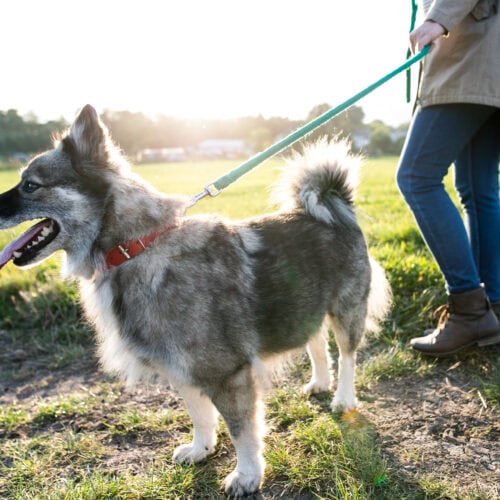
Long structured walks are one of the most underrated tools available. A dog that is asked to walk calmly at your side, stay focused, and respond to direction is doing both physical and mental work simultaneously. That combination is far more satisfying than a chaotic walk where the dog is pulling, sniffing at will, and dragging you through every decision. Structured movement burns energy at a deeper level because it requires the dog to think and regulate itself at the same time.
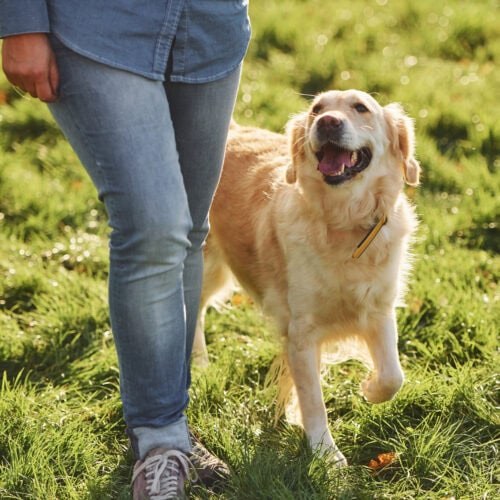
Beyond walks, dogs with high energy often benefit from activities like fetch, swimming, or working with flirt poles in open spaces. These allow for the kind of explosive physical output that a structured walk does not always provide. Finding parks, open fields, or dog-friendly areas near your apartment where your dog can move freely and safely is worth the effort. The investment in that exercise pays off in a calmer, more manageable dog at home.
Mental Stimulation Is Not Optional
Physical exercise alone will not satisfy a high-energy dog. These dogs often have active minds that need just as much engagement as their bodies. A dog that has run three miles but has had nothing to think about will still look for ways to occupy itself, and those ways usually involve your furniture, your shoes, or your neighbors’ patience.
Training is one of the most effective forms of mental stimulation available. Working through commands, practicing focus, and learning new behaviors all require concentration and problem-solving. A twenty-minute training session can tire a high-energy dog in a way that a much longer physical activity cannot match, because it demands sustained attention and self-control.
Food puzzles, Kongs, sniff work, and structured play also contribute to meeting this need. Rotating these activities keeps things fresh and prevents the dog from becoming desensitized to any single outlet. The goal is to make sure that by the end of the day, your dog has had to think, not just move.
Structure Inside the Apartment Matters
A dog that has no rules inside the apartment is a dog that is always operating without a clear framework. High-energy dogs often do better with more structure, not less, because it gives them a defined way to interact with their environment and with you.
This means practicing calm entrances and exits, working on place commands so your dog has a designated spot to settle, and setting expectations around how your dog behaves when guests arrive or when you are trying to work. These habits do not restrict your dog’s life. They give it a language for how to behave inside a small space, which reduces the anxiety and restlessness that comes from ambiguity.
Dogs that know what is expected of them are generally calmer and easier to live with, regardless of their energy level. Structure is not about control for its own sake. It is about giving your dog a framework that allows it to relax because it understands what is happening and what is expected.
Managing the Practical Realities
Apartment living with a high-energy dog also involves some logistical realities that are worth planning around. Potty schedules need to be consistent, especially if your dog does not have immediate access to an outdoor space. Regular, predictable routines reduce indoor accidents and give your dog a reliable rhythm to settle into.
Noise is another consideration. A bored, understimulated dog is more likely to bark, creating tension with neighbors and building management. The solution is almost always upstream, meaning the barking is a symptom of unmet needs, not a standalone problem. Meeting those needs proactively is a more effective approach than trying to manage the barking after it starts.
Finally, crate training remains one of the most practical tools for apartment dog owners. A dog that is comfortable in a crate has a safe, calm space to decompress when you are away, and a predictable containment option that protects both the dog and the apartment.
Training Makes Everything Easier
All of the strategies above become significantly easier to execute when your dog has a foundation of training. A dog that responds reliably to basic commands, walks calmly on leash, and knows how to settle on cue is a dog you can take to more places, manage more easily, and integrate more fully into your daily life, regardless of where you live.
Training also builds the kind of relationship where your dog is tuned into you. A high-energy dog that is engaged with its owner is far easier to redirect and manage than one that has learned to operate independently of any guidance. That connection is built through consistent work, clear communication, and following through on expectations.
Apartment Living Is a Solvable Problem
High-energy dogs can thrive in apartments. The owners who make it work are the ones who take the dog’s needs seriously, build consistent routines, and invest in training that carries over into real life. It is not effortless, but it is absolutely manageable with the right approach.
If you are navigating apartment life with a high-energy dog and looking for support building structure and reliable behavior, Kasten’s Dog Training offers programs designed to meet dogs at every energy level and build the kind of foundation that makes everyday life easier, no matter where you live.
Contact Us Today!
Ready to help your high-energy dog thrive in your apartment? Contact Kasten’s Dog Training today to schedule an evaluation and find the right program for your dog. You can also explore our full range of dog training programs to learn more about how we can help.