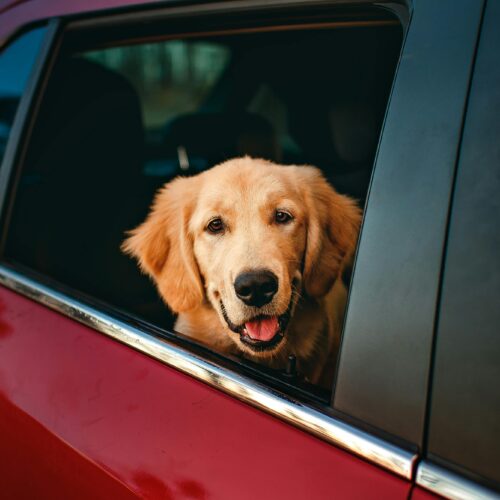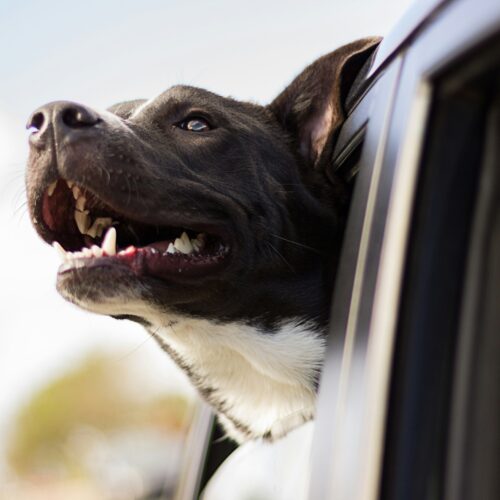
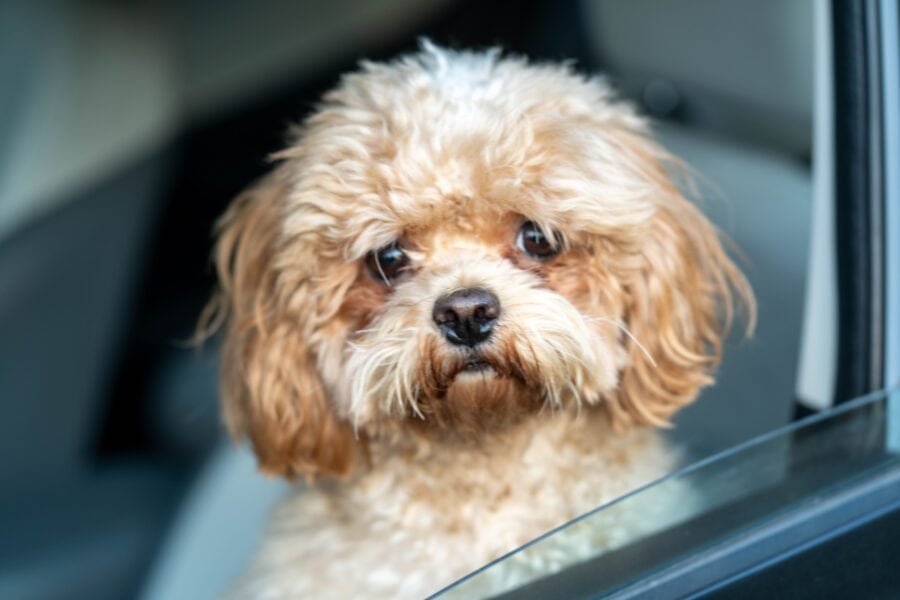
Dogs get carsick when motion stimulates the inner-ear balance system and creates nausea; puppies are especially susceptible because that system is still developing. Anxiety can add a second layer: a dog that has felt sick, frightened, or overwhelmed during previous rides may begin reacting before the vehicle even moves. That means the answer to “why does my dog get carsick?” may be physical motion sickness, learned travel anxiety, or both.
Why Dogs Get Carsick: Physical Versus Anxiety-Based Causes
Physical dog motion sickness starts with the vestibular system, the part of the inner ear involved in balance and movement. When a ride triggers nausea, you may see drooling, lip licking, restlessness, whining, or vomiting. These signs usually show up once the dog is in the vehicle or while it’s moving.
Anxiety-based reactions can begin much earlier. Some dogs hesitate at the car door, pant or pace before departure, or become distressed as soon as they recognize the trip routine. Temperament can influence how strongly a dog responds to unfamiliar or stressful situations. Our Canine Personality Types guide explains how different dogs may react, learn, and adjust in different ways.
Signs Your Dog Is Experiencing Motion Sickness
Vomiting is the most obvious sign of carsickness, but it is often not the first one. Watch for excessive drooling, repeated lip licking, yawning, whining, panting, pacing, restlessness, or a dog that suddenly becomes unusually quiet. Catching those early signs can help you recognize that your dog is uncomfortable before the ride progresses to vomiting.
Context matters because several of these behaviors can also signal stress. Lip licking, for example, does not always mean nausea; our Why Do Dogs Lick? guide explains why you should read licking behavior alongside the rest of the dog’s body language and surroundings. Note when the behavior begins, whether the car is moving, and whether the symptoms stop after the ride.
Do Puppies Outgrow Carsickness?
Many puppies improve as they mature because the structures involved in balance continue developing, although timing varies. Puppy carsickness is therefore common, but a young dog that becomes sick in the car is not necessarily destined to struggle with travel as an adult.
The behavioral part can last longer than the physical nausea. A puppy that repeatedly feels ill during rides may begin expecting the car to be unpleasant even after motion sickness improves. Building calm, manageable travel experiences alongside good foundational training can help. Kasten’s All Things Puppy programs are designed to help owners establish useful early habits and communication skills.
How Can You Prevent Carsickness in Dogs?
Start with a safe, stable travel setup. Secure your dog in an appropriately sized crate or with a travel restraint rather than allowing free movement through the vehicle. Secure a crate in the back seat or an appropriate rear compartment of a van or SUV, depending on the vehicle and setup. If you use a crate, practice with it outside the car first; our crate training tips can help make the crate a familiar part of everyday life. Keep the cabin comfortable, and do not let your dog ride with their head outside the window.
Ventilation and trip planning also matter. A slightly opened window can provide fresh air when it can be done safely, but the opening should be too small for your dog’s head to fit through. Keep the vehicle cool, and for longer trips, plan reasonable stops for water, bathroom breaks, and a chance to settle. Avoid a large meal immediately before travel if your dog is prone to nausea, and ask your veterinarian what feeding schedule makes sense for your dog. Bring water, towels, cleanup bags, and spare crate bedding so an upset stomach does not turn the rest of the trip into a bigger ordeal.
Using Desensitization to Make the Car Less Stressful
When anxiety is part of the problem, desensitization is about changing what the car predicts. Instead of making every encounter with the vehicle lead to a long trip or an upsetting destination, give your dog manageable experiences and routines around the car without pushing to the point where fear takes over. The pace should be based on the individual dog, not a fixed number of sessions.
For some dogs, consistent practice is enough to make riding less stressful. Others may refuse to approach the vehicle, become highly distressed around it, or have a fear response that has become difficult for an owner to work through alone. Kasten’s Behavior Modification program can help address more serious behavioral reactions with a plan built around the individual dog’s temperament and history.
When to Talk to Your Vet
Talk to your veterinarian if an adult dog suddenly develops car sickness after previously riding comfortably, if significant nausea continues well beyond puppyhood, or if vomiting, balance problems, loss of appetite, or other concerning symptoms occur when the dog is not traveling. A new or persistent problem deserves medical evaluation rather than automatically being treated as a training issue.
Your veterinarian should also guide any decision about medication or medical treatment. Training can help with fear, anticipation, and learned travel behaviors, but it cannot diagnose an underlying health condition. Some dogs may need veterinary care, behavior work, or a combination of both.
Frequently Asked Questions About Dogs and Carsickness
Should I Feed My Dog Before a Car Ride?
Avoid a heavy meal immediately before a ride if your dog is prone to nausea. Because dogs differ and longer trips may require different planning, ask your veterinarian how to time food and water for a dog with recurring carsickness.
Can Anxiety Make a Dog Vomit in the Car?
Yes. Fear and anticipation can contribute to nausea, and a dog that has repeatedly become sick during travel may begin showing symptoms before the vehicle moves. That is one reason it helps to separate anxiety-based reactions from motion-triggered sickness.
How Long Does It Take to Improve Car Anxiety?
There is no universal timeline. Age, temperament, history, reaction intensity, and how consistently you work with the dog can all affect progress. Aim for steady improvement rather than expecting the problem to disappear after a certain number of rides.
Should I Keep Driving if My Dog Looks Sick?
If you can stop safely, give your dog a break instead of forcing the ride to continue through escalating distress or repeated vomiting. For frequent or severe sickness, talk with your veterinarian before planning another long trip.
Ready to Make Car Rides Easier?
If car trouble has become more than an occasional upset stomach, Kasten’s Dog Training can help you address the behavioral side of the problem. Explore our Training Programs to see the options available, or Contact Us to talk about the right next step for your dog and make future rides more manageable.