As the days get shorter and the weather gets colder, it gets easier and easier to skip that evening walk or afternoon play session. Your dog may be feeling a change in their routine too. Luckily, you don’t have to wait for spring to stay active and spend time with your dog. Being intentional about spending time together in the winter gives you and your dog something to look forward to, even if snow covers the ground.
Give Yourself and Your Dog Something New to Learn
Training doesn’t have to stop in the winter, though it does take more intentionality. Pick one skill to work on with your dog and make it a habit. Maybe set aside 15 minutes at the end of the day to practice a new trick or leash manners. Whatever the skill, training gives your dog mental work and gives you both a shared goal to work toward.
Training during winter also adds a little structure to those short days. When the sun sets earlier and the temperatures aren’t as conducive to outdoor play, it can throw a dog off their routine. Knowing that they can expect to work on a new trick with you each day gives you both something to look forward to and bond over.
Make Getting Outside Part of the Routine
When conditions are safe, keep outdoor time central to your winter routine. Shorter days and colder weather make it easy to skip walks or backyard playtime. Time outdoors gives your dog movement, exposure to daylight, a change in scenery, and sensory stimulation, all of which can make it a little easier to spend more extended periods indoors. Research also shows that time spent outside is associated with better mood and lower stress in humans too!
While an hour-long walk may not be realistic in the middle of January, trying to get 15 or 20 minutes outside can be beneficial for both of you. When you go for a winter walk, let your dog sniff around and explore instead of treating every walk like a march around the block.
Ask a Friend and Their Dog to Join You
Your dog doesn’t need to wrestle at the end of the leash to be social with other dogs. Walking calmly beside another dog can help your dog work on leash manners and appropriate behavior around other dogs.
If your friend or neighbor has a dog too, make a plan to brave a winter afternoon all together. Making plans with someone else creates accountability for days when motivation is low and offers companionship for both you and your dog.
Have a Backup Plan for Bad Weather
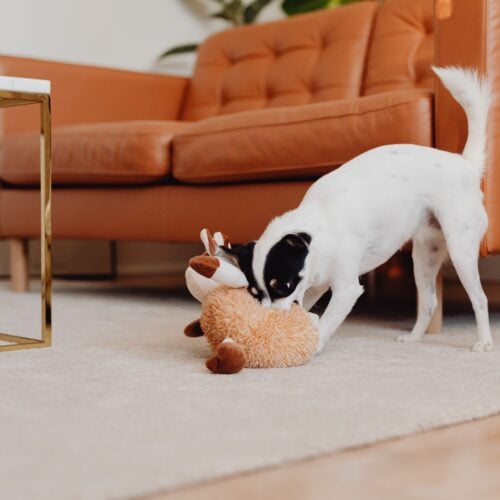
Sometimes getting outside just won’t be practical in the winter. If a day comes when it’s just too cold or too snowy to go for a walk, be prepared to give your dog mental stimulation inside.
The AAHA suggests using training, scent work, food-based enrichment, and other cognitive activities when outdoor time is limited. This could look like playing hide-and-seek or having your dog work for part of a meal.
Just because you’re inside doesn’t mean you need to keep your dog mentally stimulated all day long. It’s also important for your dog to learn how to settle.
Don’t Let Winter Throw Out the Routine
In wintertime, routines naturally fall by the wayside. Shorter days mean fewer walks. Holiday get-togethers can interrupt meal and sleep schedules. As structure dwindles, dogs may start to create their own sorts of entertainment.
Try to keep consistent with mealtimes, bathroom breaks, exercise, training, and sleep. This gives your dog an understanding of what to expect during the day in terms of when to be active and when to rest.
A Note On Winter Safety and Dogs
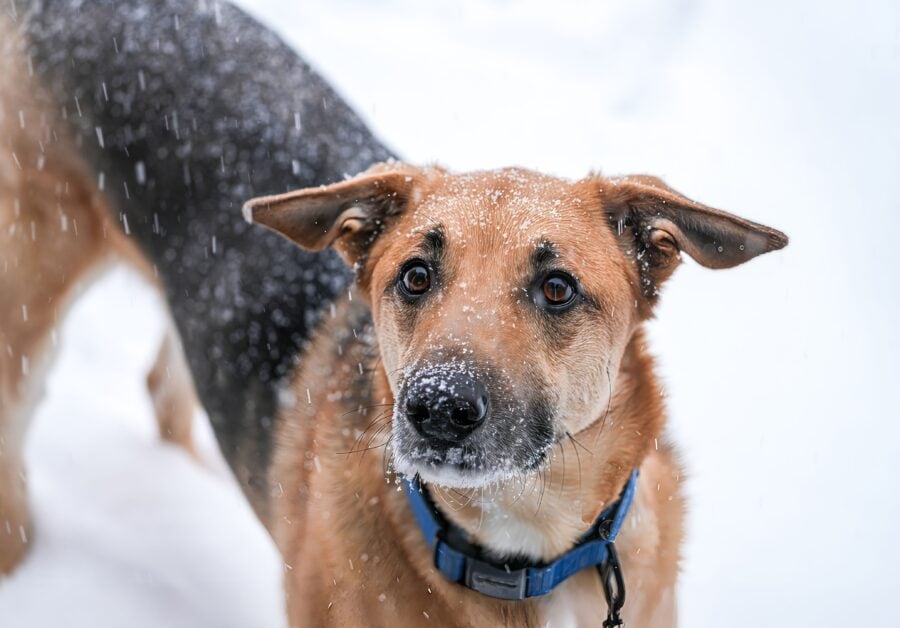
Sometimes it’s just too cold to go outside, but every dog is different. Some dogs can handle frigid temperatures better than others. If you go outside in the cold with your dog, watch for shivering, paw lifting, reluctance to continue, or a tucked posture. These may be signs that your dog is too cold and that it’s time to end the walk. If your sidewalks are salted, always wipe your pup’s paws after walks, and avoid walking on icy sidewalks.
Make Winter Something You Do Together
Winter doesn’t have to mean everything goes stagnant for you and your dog. Find reasons to go outside, give your dog something to learn, make plans with other people, and create structure for both you and your dog.
If you’re looking to help your dog learn a new skill or work towards bigger goals over the winter, reach out to Kasten’s Dog Training to learn more about our training programs.