
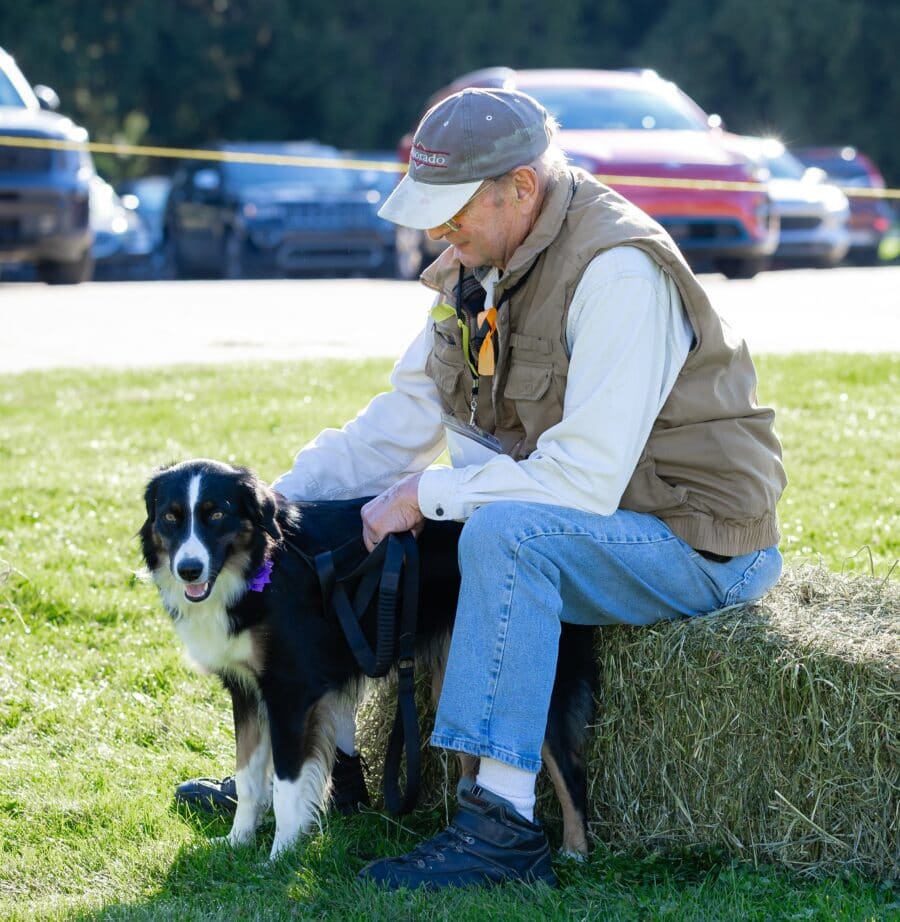
A cancer diagnosis can change every part of someone’s life. All of the appointments, uncertainties, and changes take an emotional and physical toll. During Breast Cancer Awareness Month, we want to shine a light on how a dog can become an important source of comfort, companionship, and support during a difficult time like cancer diagnosis and treatment.
How Can Dogs Help Someone Going Through Cancer?
Dogs may not be able to understand a medical diagnosis, but they are often very good at recognizing change. They notice changes in routine or stay close by as their person is resting more. They provide quiet companionship during long days at home or encourage someone to move and get outside when they feel up for it. This presence can make a big difference.
Cancer can interrupt routines with extra appointments and changing energy levels. Even so, familiar routines like walks when possible, quiet time together, and regular meals can provide some consistency for both the person and the dog. These simple moments can help daily life feel a little more predictable and normal.
Research into animal-assisted interventions suggests that interacting with animals can help some cancer patients cope with the emotional and mental challenges that can come with treatment. Every person has a different experience, but the comfort of having a familiar pet can provide something that medicine does not offer: a connection to regular life.
For a closer look at this topic, Mesothelioma Hope has a helpful resource on support animals for cancer patients and the role they can play during treatment and recovery.
Not Every Support Dog Has the Same Job
The term “support dog” can describe several different roles. A family dog may simply offer companionship and a piece of normalcy without extra specialized training. Therapy dogs provide comfort to people in clinical settings like hospitals and care facilities.
Service dogs, on the other hand, have a different role and set of skills. These animals are individually trained to perform specific tasks for a person with a disability.
Whatever role a dog fills, calm behavior and clear communication make it easier for that dog to provide support during a stressful season of life.
Dogs Need Support During Difficult Seasons Too
Changes in the household can affect dogs, and while some may adjust easily, others may become restless, clingy, or anxious. Providing structure can help dogs adjust to new schedules and energy levels. Keeping meals reasonably consistent and offering appropriate exercise and mental stimulation when possible can give a dog some stability. The goal is to help the dog understand that even though circumstances have changed, the expectations they know are still there.
Paws for Hope Brings Dogs and Cancer Support Together
This September, Kasten’s Dog Training was a proud sponsor of Paws for Hope, a local fundraising and awareness event benefiting Ribbon of Hope Cancer Support Ministry.
Ribbon of Hope serves people facing cancer throughout the Michiana area by providing free, non-medical support to patients, family members, and caregivers. This can include encouragement, transportation assistance, visits, practical help, cancer resources, and other services designed to make a difficult season a little less overwhelming.
Paws for Hope brought together two things that mean a lot to us: dogs and supporting people in our community. The event included activities for dogs and their owners and information about the roles dogs can play in a changing life.
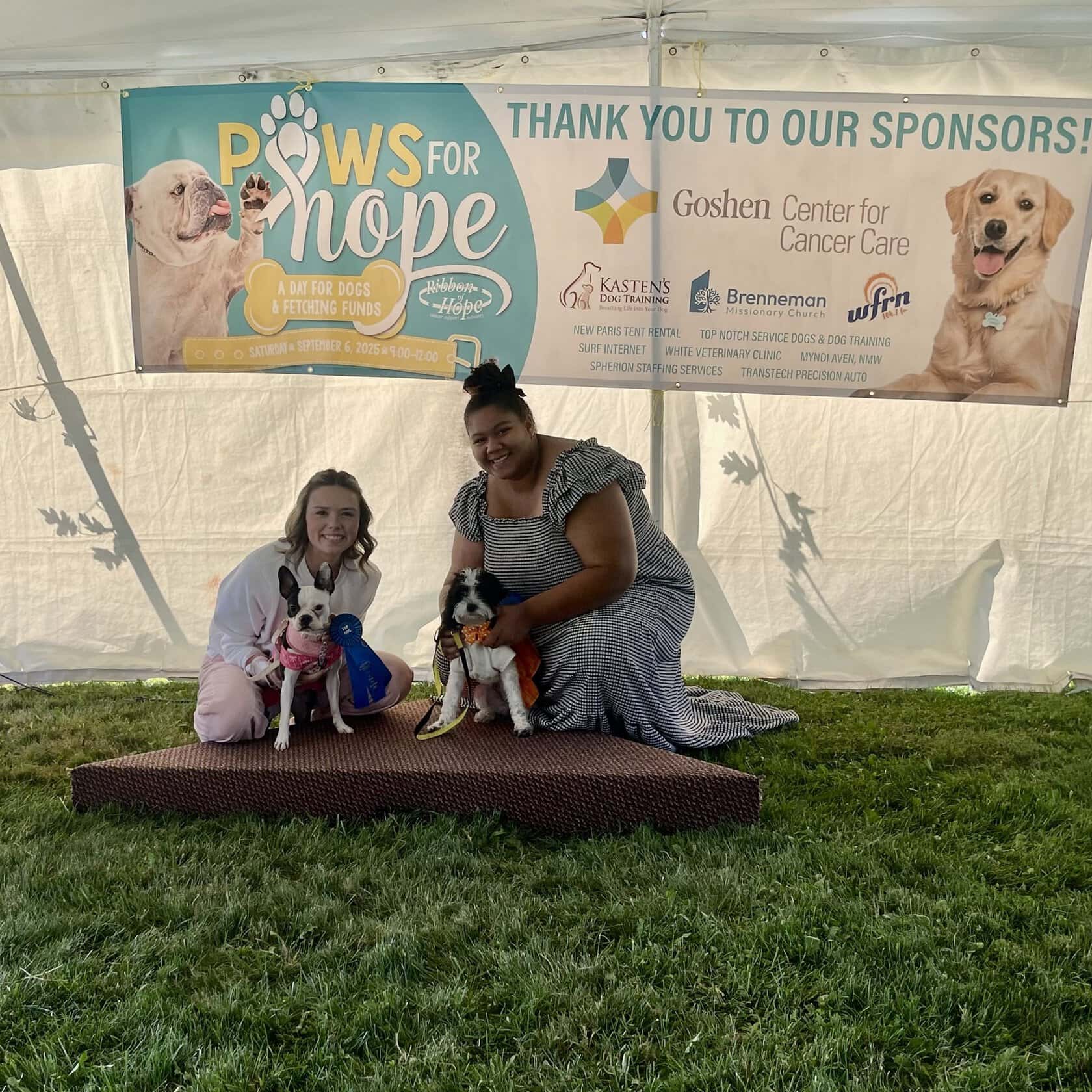
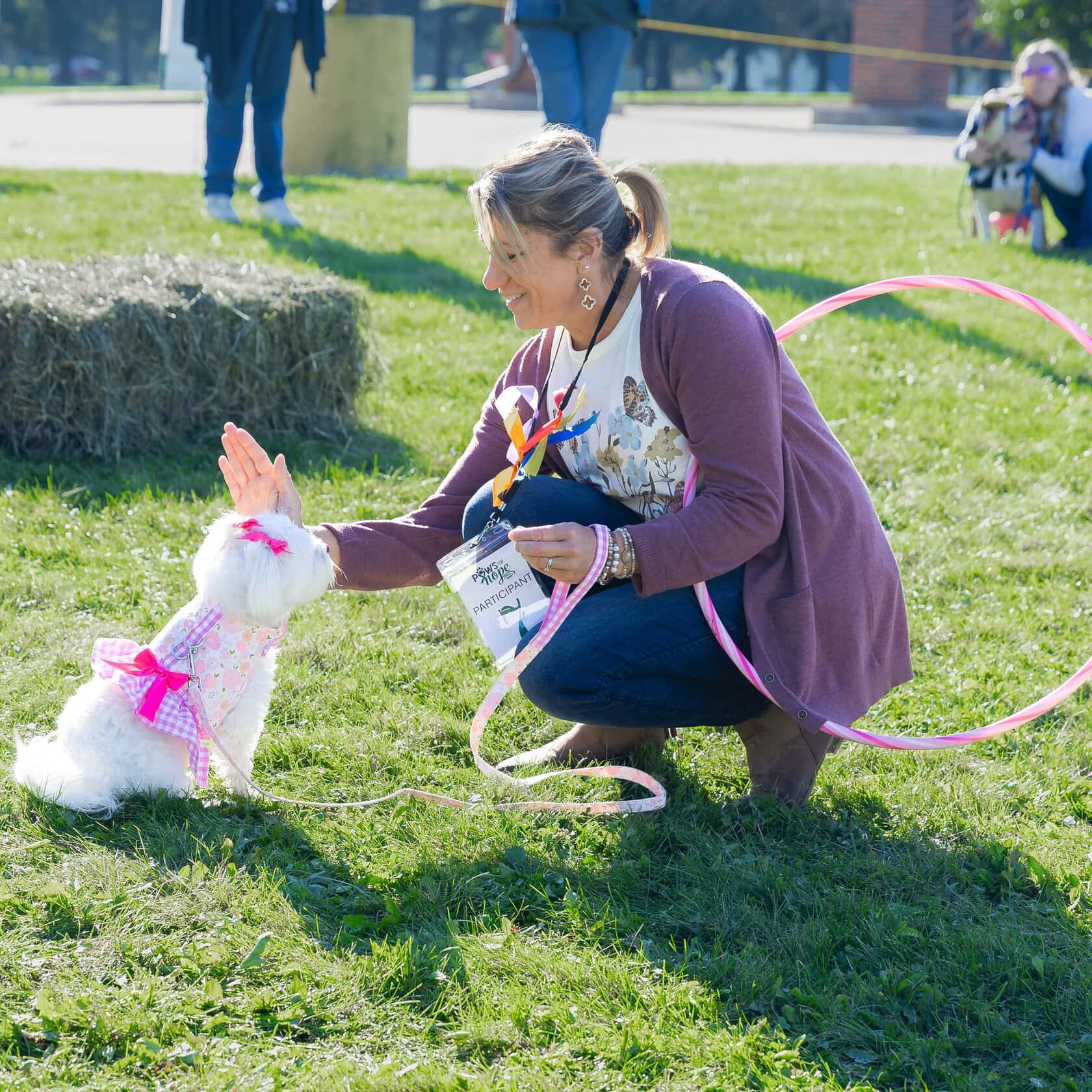
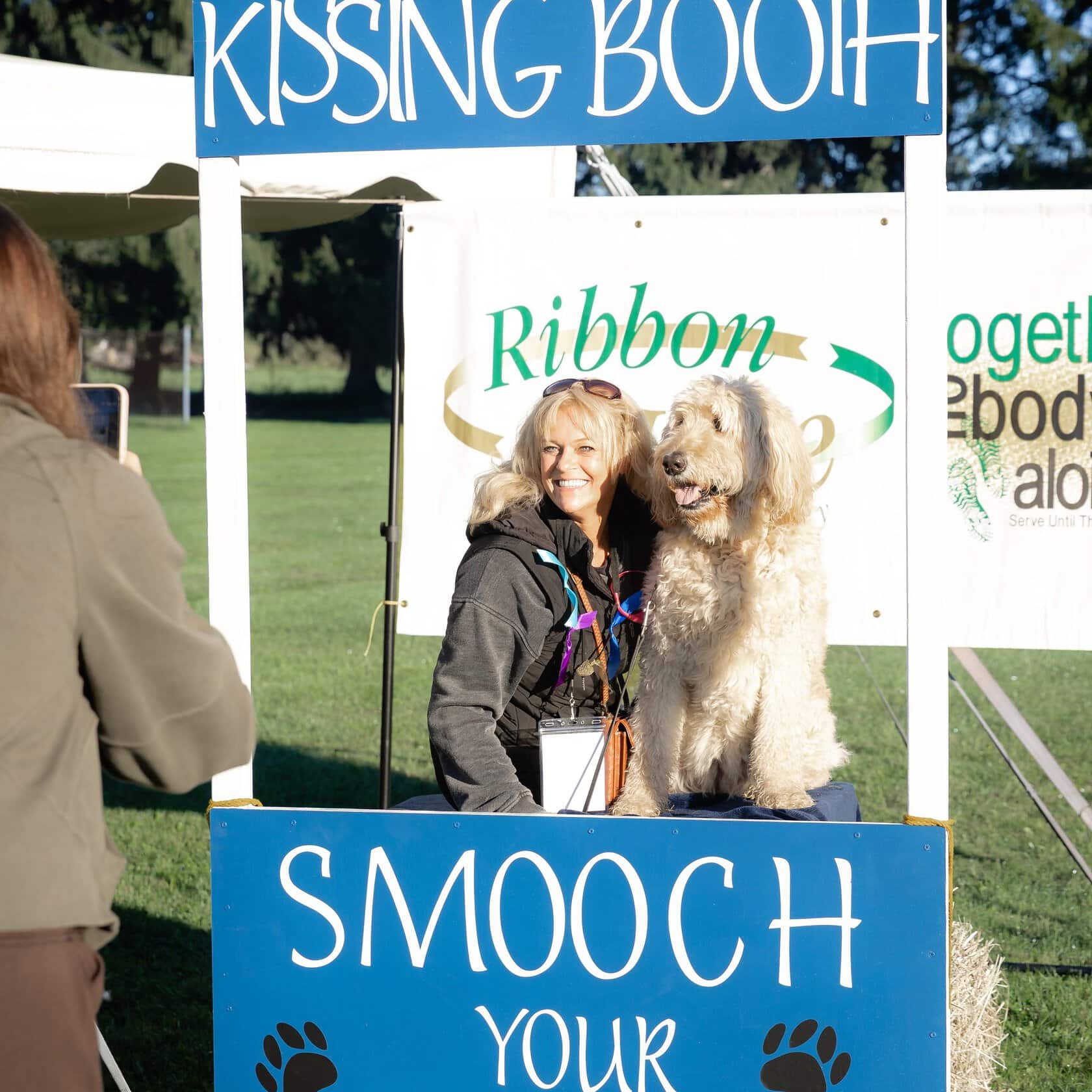
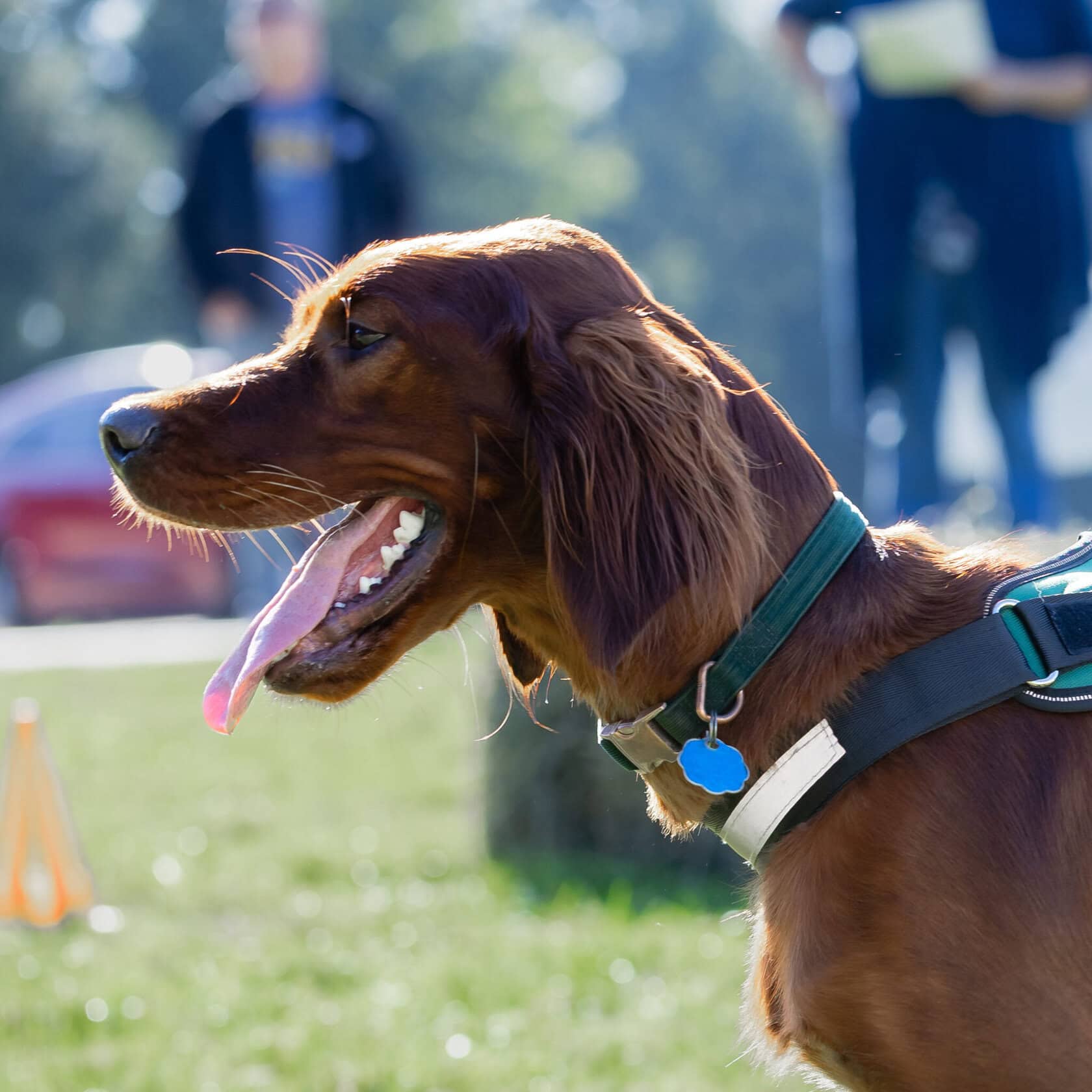
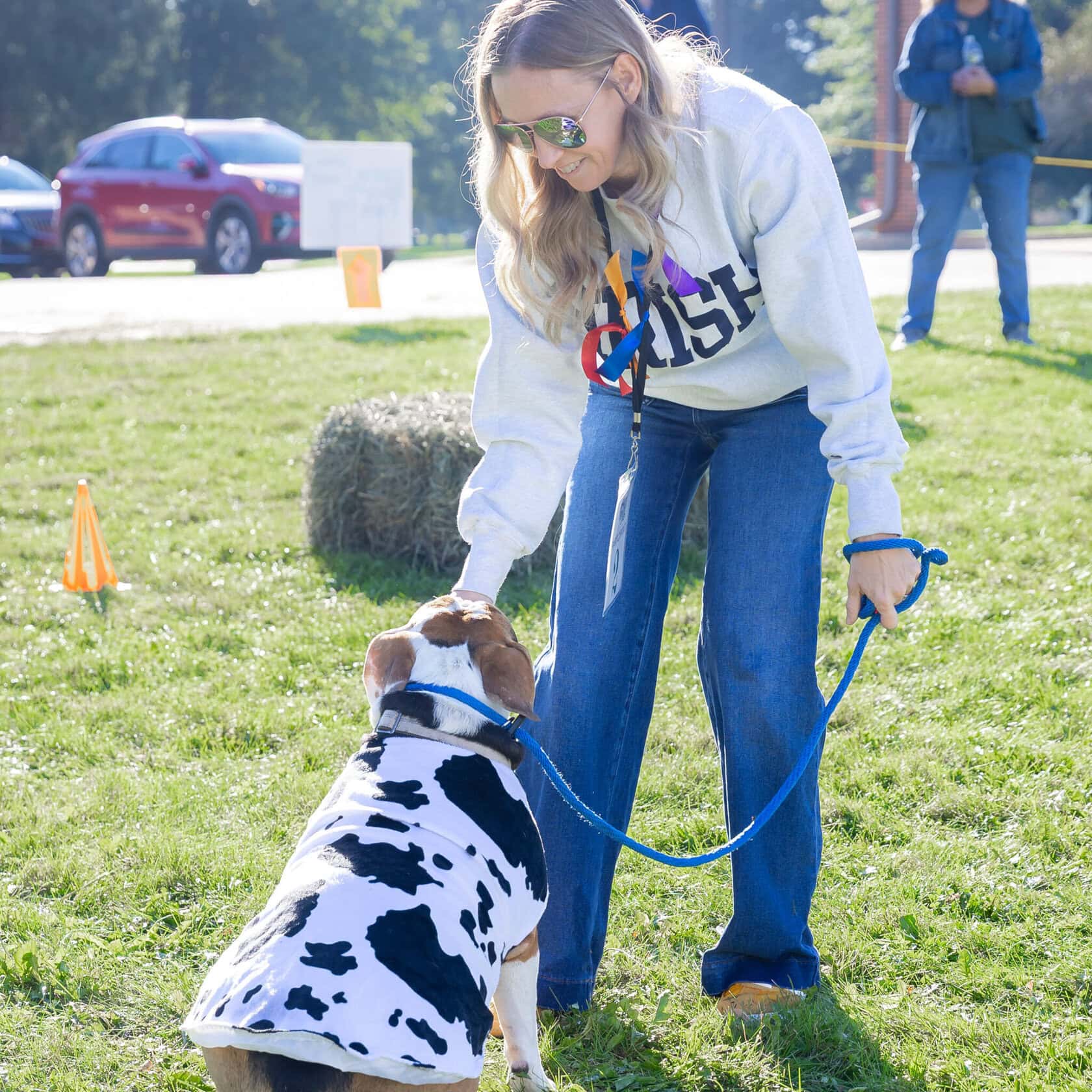
(Photo credit: Shae-nanigans Photography)
Events like Paws for Hope are a reminder that dogs are often woven into some of the most important moments of our lives. They are there during the normal days, but they are also there when life becomes difficult.
Sometimes Being There is Enough
There is no single way for a dog to support someone going through cancer treatment or recovery. For one person, it may look like a service dog performing trained tasks, while another may simply enjoy having their family dog resting by them at home. Dogs cannot take away a diagnosis, but they can offer companionship, familiarity, and a connection to everyday life.
During Breast Cancer Awareness Month, we are grateful for the organizations supporting people through cancer and for the dogs that quietly stay beside them along the way.
If changes at home have affected your dog’s behavior or you would like help creating calmer, more reliable habits, Kasten’s Dog Training is here to help. Contact us to learn more about our training programs or to schedule an evaluation.


